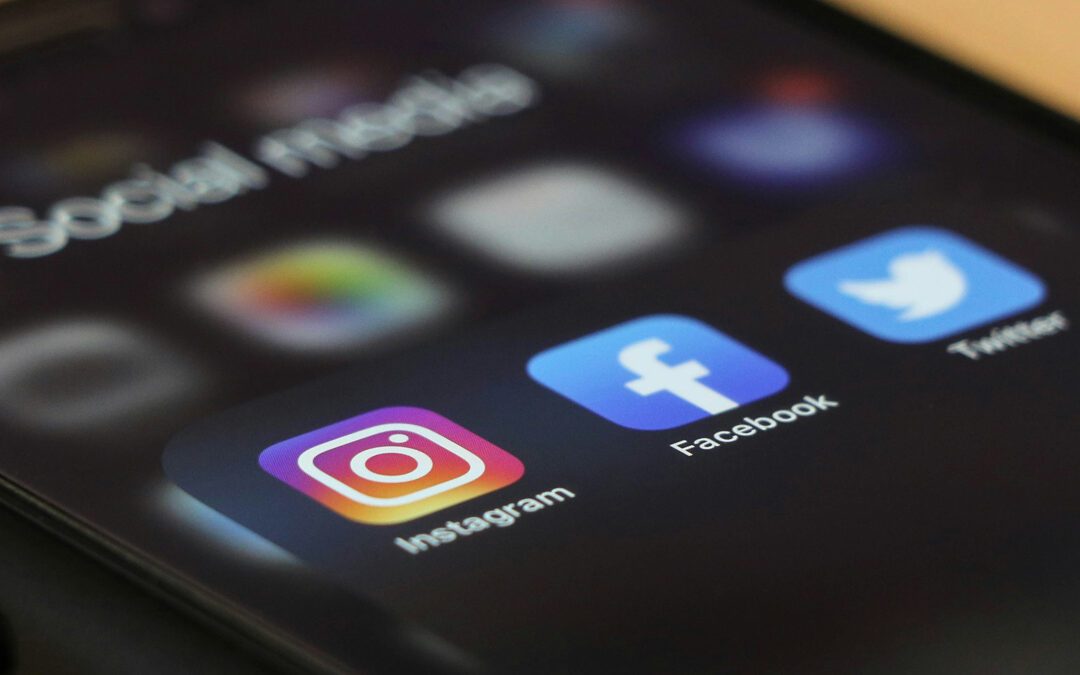
In today’s digital age, social media has become an integral part of daily life, especially for teens and young adults. Platforms like Instagram, Facebook, TikTok, and Twitter offer opportunities for connection, entertainment, and self-expression. However, the pervasive use of social media also comes with significant downsides, particularly concerning mental health and addiction. Understanding the complex relationship between social media, mental health, and addiction is crucial for mitigating its negative effects and promoting healthier online habits.
The Double-Edged Sword of Social Media
Social media platforms can offer numerous benefits, including staying connected with friends and family, finding support communities, and exploring new interests. However, these benefits often come at a cost. The constant exposure to curated images and lifestyles can lead to unrealistic expectations and feelings of inadequacy.
Mental Health Concerns
1. Anxiety and Depression: Numerous studies have linked excessive social media use with increased levels of anxiety and depression. The pressure to maintain an idealized online persona and the fear of missing out (FOMO) can exacerbate feelings of stress and loneliness.
2. Body Image Issues: Platforms dominated by visual content, like Instagram, can intensify body image concerns. Constant exposure to edited and filtered images can lead to unrealistic beauty standards and body dissatisfaction, contributing to eating disorders and low self-esteem.
3. Sleep Disruption: The addictive nature of social media can disrupt sleep patterns, as users often find themselves scrolling late into the night. Poor sleep quality is directly linked to various mental health issues, including anxiety and depression.
Social Media and Addiction
1. Behavioral Addiction: Social media platforms are designed to be addictive, using algorithms that promote endless scrolling and engagement. This can lead to behavioral addiction, where users feel compelled to check their accounts constantly, often at the expense of real-life activities and relationships.
2. Substance Use: There is evidence suggesting that social media can also influence substance use behaviors. Exposure to content that glamorizes drug and alcohol use can normalize these behaviors and increase the likelihood of experimentation and abuse, especially among impressionable teens.
3. Digital Detox Difficulty: Many users find it challenging to disconnect from social media, even temporarily. The fear of missing out on updates and the habitual nature of checking feeds make digital detoxes difficult, reinforcing addictive behaviors.
Mitigating the Negative Effects
1. Promote Digital Literacy: Educating users, especially teens, about the realities of social media can help mitigate its negative impact. Understanding that social media often presents a distorted view of reality can reduce feelings of inadequacy and pressure.
2. Set Boundaries: Encouraging healthy social media habits, such as setting time limits and having designated screen-free times, can help manage usage. Apps and device settings that monitor and limit screen time can be beneficial.
3. Encourage Real-Life Connections: Emphasizing the importance of face-to-face interactions can counterbalance the isolating effects of social media. Encourage activities that promote real-world connections and community involvement.
4. Seek Professional Help: If social media use is significantly impacting mental health or leading to addictive behaviors, seeking professional help is crucial. Therapists and counselors can provide strategies and support for managing social media use and addressing underlying issues.
Conclusion
While social media has revolutionized how we connect and communicate, it also presents significant challenges to mental health and can contribute to addictive behaviors. By recognizing the potential harms and implementing strategies to mitigate these effects, individuals can enjoy the benefits of social media while maintaining their mental well-being. Promoting awareness, setting healthy boundaries, and seeking professional help when needed are key steps in navigating the complex landscape of social media and mental health.
Contact us today for more information about our treatment facility.
Recent Comments