Why Aftercare Is the Key to Long-Term Addiction Recovery
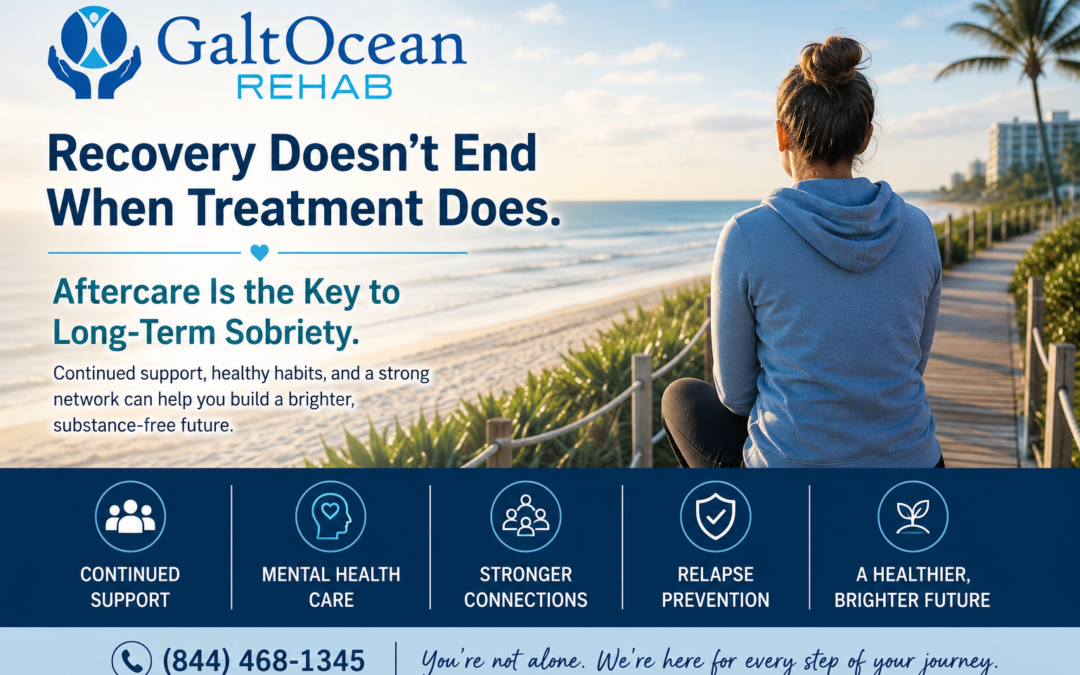
Completing a drug or alcohol treatment program is a life-changing achievement. While finishing rehab is a major milestone, recovery doesn’t end when treatment does, it enters a new phase. The weeks and months after rehab are often when individuals face their greatest challenges, making aftercare one of the most important parts of lasting recovery.
At Galt Ocean Rehab Center, we believe that continued support, accountability, and personalized care are essential for maintaining sobriety and building a healthier future.
What Is Aftercare?
Aftercare refers to the ongoing support and treatment someone receives after completing a rehabilitation program. It is designed to help individuals maintain their sobriety, manage life’s challenges, and reduce the risk of relapse.
An effective aftercare plan may include:
- Individual therapy
- Group counseling
- Family therapy
- Recovery coaching
- Sober living environments
- Peer support groups such as AA, NA, or SMART Recovery
- Medication management when appropriate
- Mental health counseling for co-occurring disorders
Because every person’s recovery journey is different, aftercare should always be customized to meet individual needs and goals. Personalized treatment plans have become a cornerstone of modern addiction recovery because no two people experience addiction in exactly the same way.
Why the First Year of Recovery Matters
The transition back into everyday life can feel overwhelming. Returning to familiar environments, responsibilities, or relationships may expose individuals to stress and old triggers.
Common challenges during early recovery include:
- Managing cravings
- Rebuilding relationships
- Returning to work or school
- Coping with stress without substances
- Building healthy daily routines
- Finding supportive friendships
Without continued support, these challenges can become difficult to navigate alone.
The Benefits of a Strong Aftercare Plan
1. Reduces the Risk of Relapse
Relapse is not a sign of failure—it can be part of the recovery process for some individuals. However, having a structured aftercare plan significantly improves the ability to recognize warning signs early and respond before a setback occurs.
Regular counseling and recovery meetings provide accountability while reinforcing healthy coping skills learned during treatment. Relapse prevention is widely recognized as one of the most important components of long-term recovery after rehabilitation.
2. Supports Mental Health
Many people struggling with addiction also experience anxiety, depression, PTSD, trauma, or other mental health conditions.
Continued therapy allows these conditions to be treated alongside substance use recovery, reducing the likelihood that untreated mental health symptoms will lead to relapse. Treating addiction and mental health together improves long-term outcomes.
3. Builds Healthy Habits
Recovery is about creating a lifestyle that supports physical, emotional, and mental wellness.
During aftercare, individuals often learn to:
- Create consistent daily routines
- Improve sleep habits
- Exercise regularly
- Eat nutritious meals
- Practice mindfulness
- Develop healthy coping skills
Over time, these habits become the foundation for lasting recovery.
4. Creates a Reliable Support Network
One of the biggest predictors of long-term recovery is connection.
Isolation often fuels addiction, while healthy relationships strengthen recovery. Support groups, therapists, sponsors, family members, and peers all provide encouragement during difficult moments.
Knowing someone is available when challenges arise can make all the difference.
Warning Signs That Someone May Need Additional Support
Recovery isn’t always a straight line. Recognizing changes early allows individuals to seek help before a relapse occurs.
Warning signs may include:
- Missing therapy or support meetings
- Increased stress or anxiety
- Isolating from family and friends
- Romanticizing past substance use
- Mood swings or irritability
- Difficulty sleeping
- Loss of motivation
- Returning to unhealthy environments
Seeking help at the first sign of difficulty is a sign of strength—not weakness.
Recovery Is a Lifelong Journey
Sobriety is not simply about avoiding drugs or alcohol. It’s about creating a meaningful life filled with purpose, healthy relationships, emotional resilience, and personal growth.
Many people find that recovery becomes easier over time as they develop confidence, healthier routines, and stronger support systems.
The goal of aftercare is to provide the guidance needed to help make those positive changes permanent.
Compassionate Support at Galt Ocean Rehab Center
At Galt Ocean Rehab Center, we understand that recovery continues long after formal treatment ends. Our team works closely with every client to develop a personalized aftercare plan that supports long-term success.
Located in beautiful Lauderdale-by-the-Sea, our oceanfront setting offers a peaceful environment where healing can continue while individuals build the skills needed for lasting sobriety.
Whether you’re seeking help for yourself or someone you love, you don’t have to face recovery alone.
Take the Next Step Toward Lasting Recovery
If you or someone you care about is ready to begin the journey toward a healthier future, Galt Ocean Rehab Center is here to help.
Call (844) 468-1345 today to learn more about our personalized addiction treatment and aftercare programs.
Recent Comments